The Growing Demand for Advanced Personal Care in an Aging Population
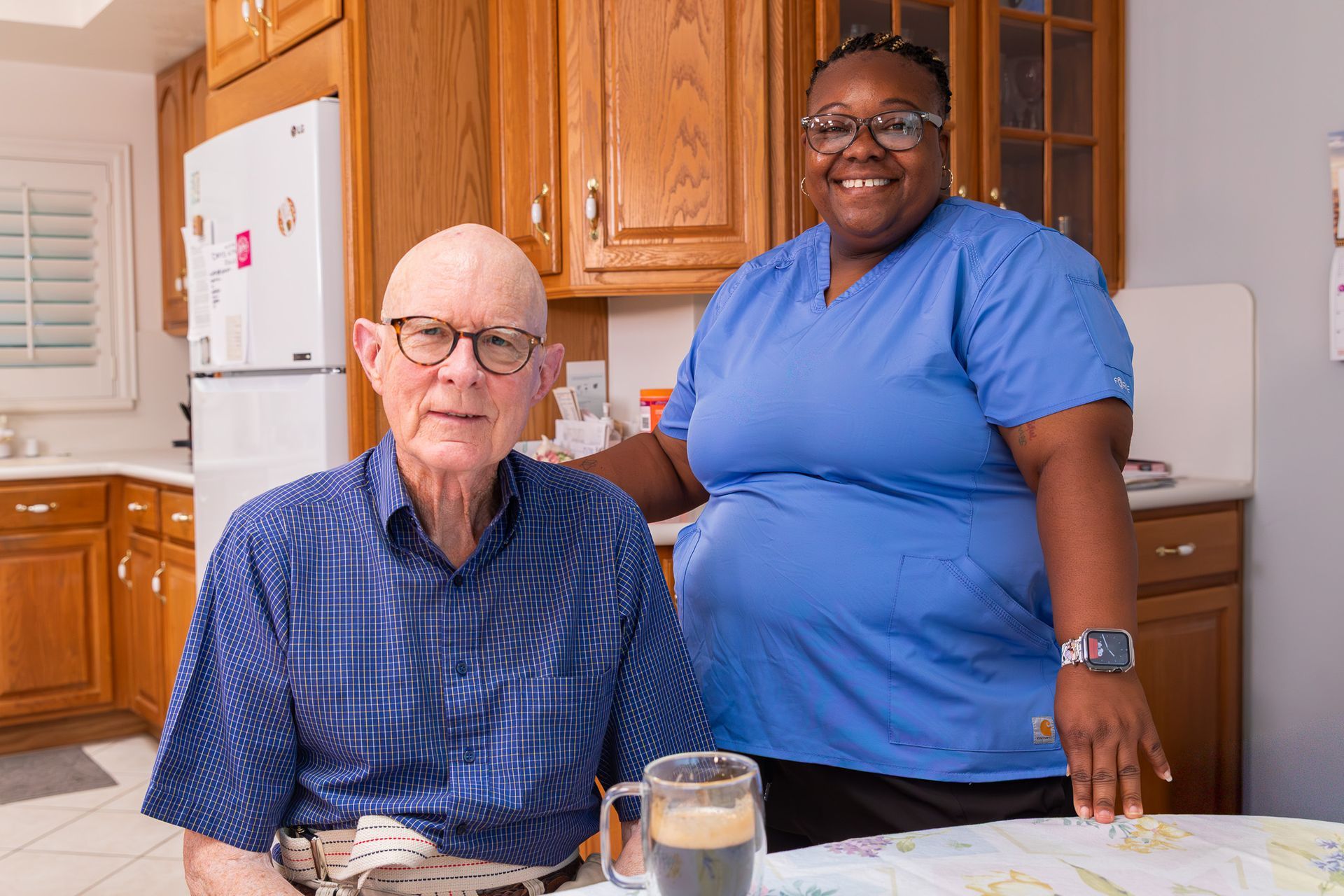
The home care industry is shifting, and professionals who refer clients into care — attorneys, fiduciaries, hospital discharge planners, and placement agencies — are in a unique position to see it happening in real time. As the population ages and clients present with more complex needs, the demand for Advanced Personal Care delivered at home is accelerating.
Understanding where this trend is heading matters for anyone making referral decisions today.
In-Home Support Is Increasingly the Preferred Alternative to Facility Care
For decades, facility-based care was often treated as the default option once a client's needs became too complex to manage independently. That assumption is changing. More families, and more of the professionals advising them, are actively seeking in-home alternatives — even for clients with significant medical or cognitive needs.
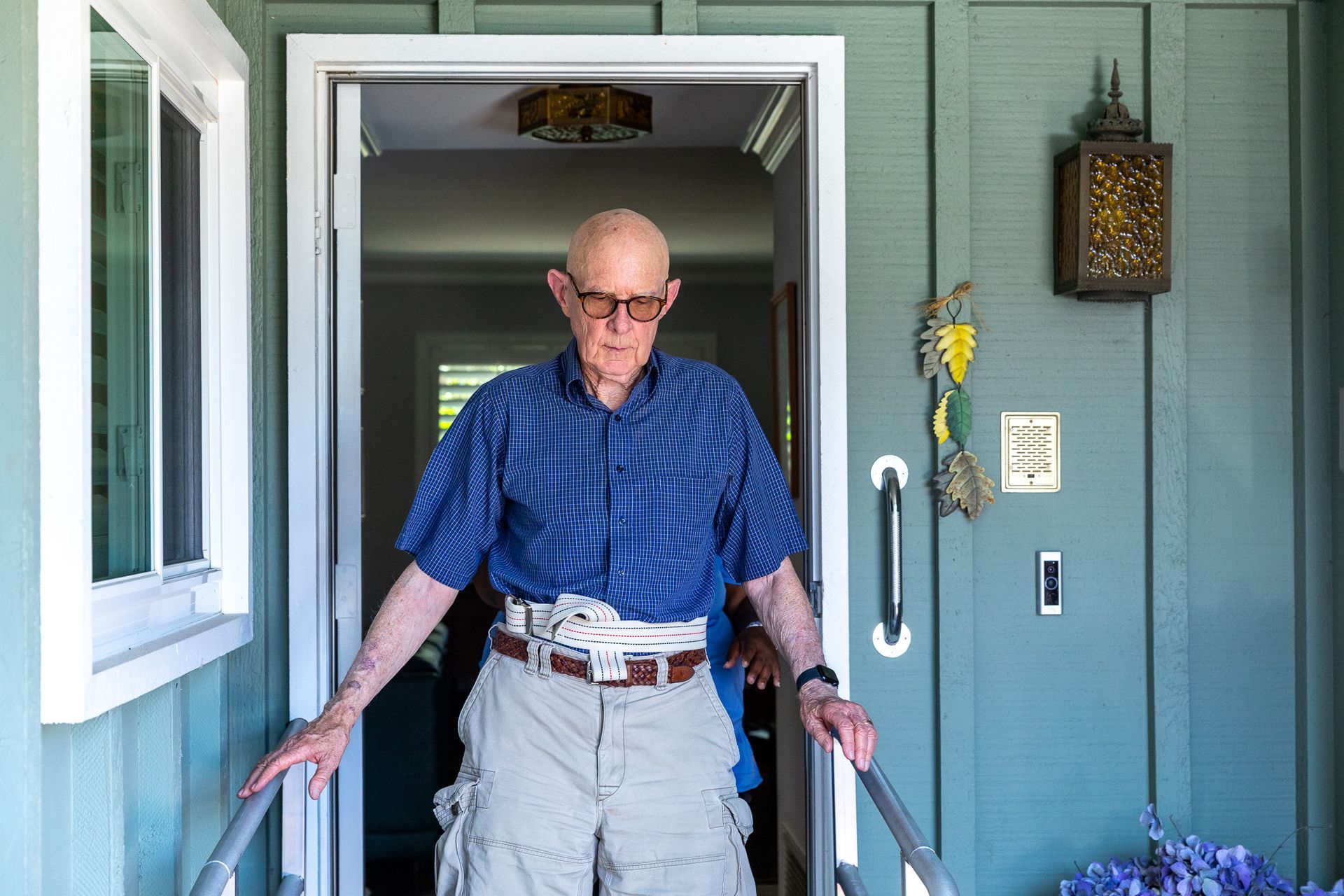
This shift isn't just about preference. It reflects a growing recognition that many clients requiring Advanced Personal Care can be safely and effectively supported at home, provided the right caregiving infrastructure is in place. For fiduciaries and attorneys managing care decisions on behalf of clients, this means in-home options increasingly deserve serious consideration rather than being viewed as a stopgap before facility placement.
Not All Agencies Are Built for This Level of Care
As demand for complex, in-home support grows, a clear divide is emerging in the industry: agencies built and staffed to handle Advanced Personal Care, and newer operators that aren't.
Providing this level of care requires more than availability — it requires:
- Specialized caregiver training in managing complex medical needs, mobility limitations, and cognitive conditions
- Consistent workforce standards, including thorough vetting, ongoing education, and caregiver retention practices that support continuity
- Care coordination experience, particularly for clients transitioning from hospitals or working with multiple medical and legal professionals simultaneously
Referring professionals are increasingly evaluating agencies not just on availability, but on whether their workforce and training standards can actually support the complexity of the case at hand. As demand grows, this distinction will only become more important in vetting a referral partner.
Why Insurance Coverage and Compliance Matter More as Complexity Increases
As care needs become more advanced, the margin for error narrows — and so does tolerance for gaps in compliance or coverage. For fiduciaries and attorneys managing client funds and legal liability, an agency's insurance coverage and regulatory compliance aren't administrative details; they're a core part of due diligence.
This becomes especially critical with Advanced Personal Care cases, where the caregiving relationship often involves more physical tasks, more medical coordination, and more sustained, close contact with vulnerable clients. Agencies without strong compliance practices and adequate coverage introduce risks that referring professionals simply can't afford to overlook.
Where This Leaves Referral Professionals
The trajectory is clear: as the population ages, demand for skilled, in-home Advanced Personal Care will continue to grow, and the agencies equipped to meet it will separate themselves through workforce quality, training depth, and compliance rigor — not just availability.
For attorneys, fiduciaries, hospitals, and agencies making referral decisions, this is a good moment to reassess which care partners are actually positioned for where the industry is heading, rather than where it's been.
Assistance In Home Care has spent more than 20 years building the caregiver training, continuity practices, and compliance standards this next phase of the industry demands.